
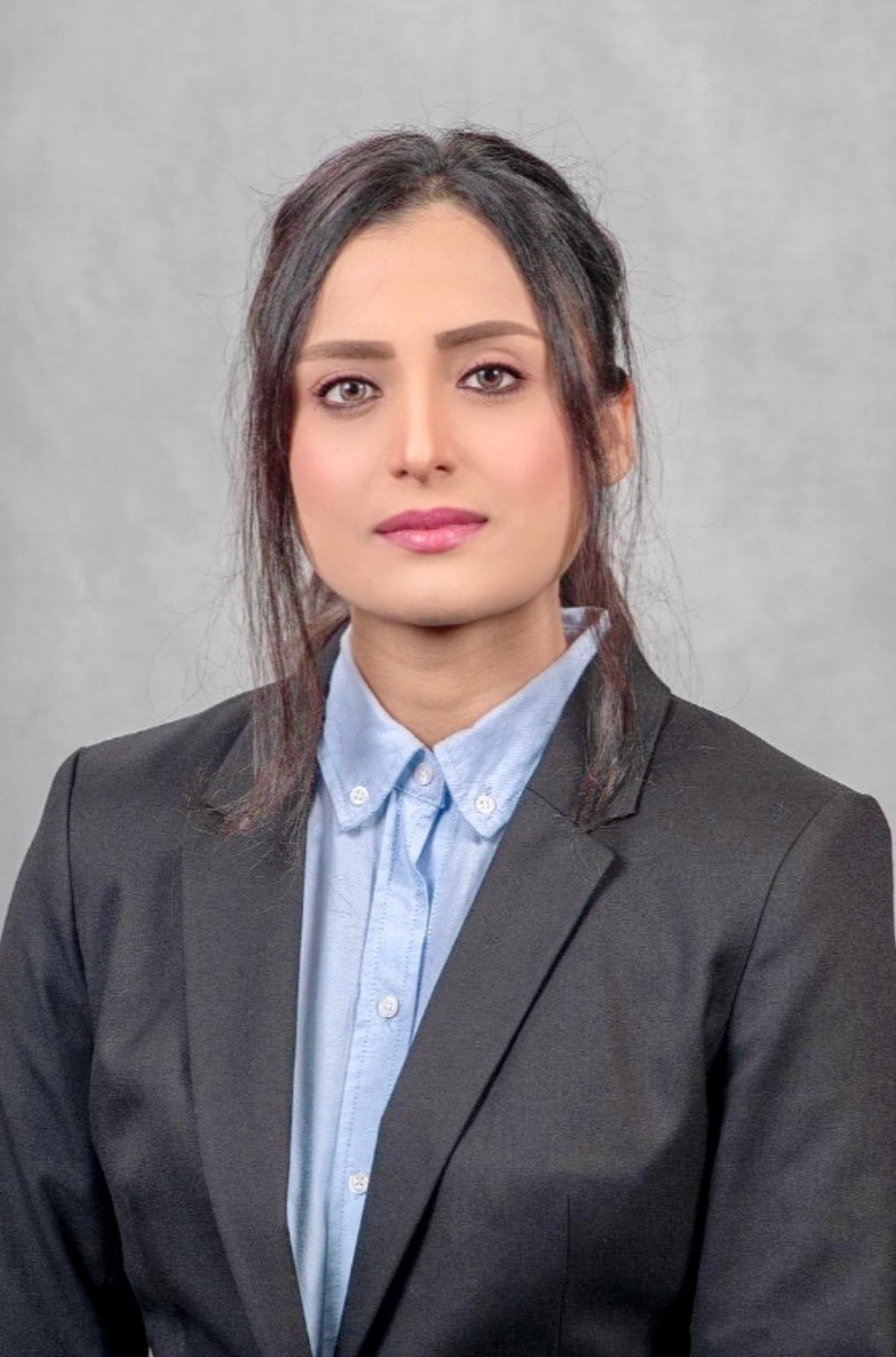
Dr. Marjan Asadinia is an Assistant Professor in
the Department of Computer Science at California State
University, Northridge, where she leads the Modern
Computing and Communication Architectures (MOCCA) Lab.
Prior to joining CSUN, she held academic and research
positions at Cal Poly Humboldt, Bradley University,
Oregon State University, and the University of Arkansas.
Her research has been supported by the National Science
Foundation (NSF) and industry partners such as
Caterpillar Inc. She has received several awards for her
research contributions, including the Research,
Scholarship, and Creative Activity (RSCA) Award in 2025,
Best Paper Presentation Awards at CCWC 2025 and
AIIoT 2025, the Outstanding Research Competition
Award at Cal Poly Humboldt in 2023, and the Faculty
Scholarship Award in 2022. She has also published a book
in Elsevier’s Advances in Computers series on Durable
Phase-Change Memory (PCM) technology, highlighting its
potential as a promising alternative to Dynamic
Random-Access Memory (DRAM).
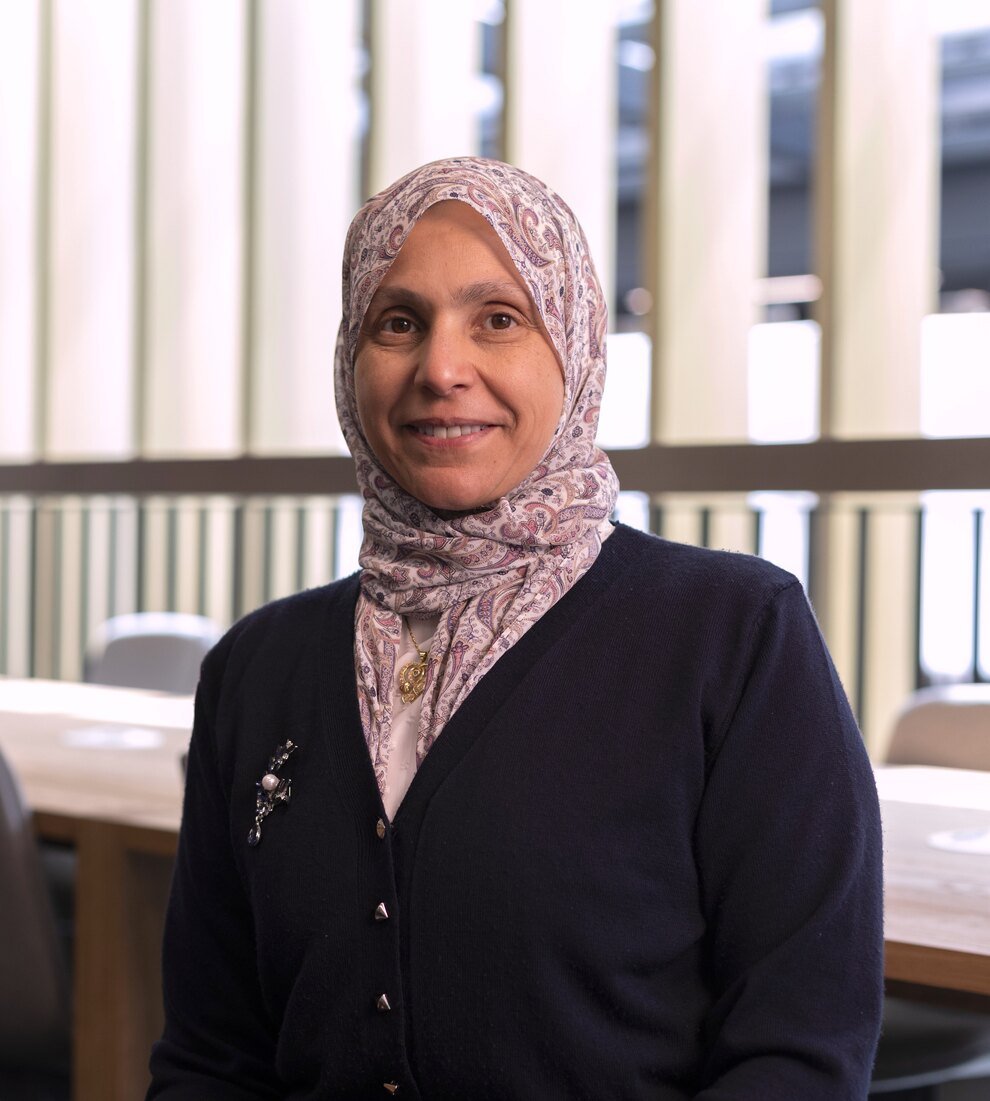
Dr. Hadeel Saadany is a Senior Lecturer and Deputy Course Lead in the Computer Science Department at Birmingham City University, United Kingdom. Her research spans multidisciplinary fields focusing on the intersection of Natural Language Processing (NLP), Deep Learning, and Artificial Intelligence (AI), with a core focus on solving real-life industrial problems through UK and USA industrial partners.
She previously worked at the University of Surrey, where she acted as lead researcher on a research-industrial project between eBay and the Institute for People-Centred Artificial Intelligence (PAI), applying recent Large Language Model technology to improve the efficacy of eBay's search engine infrastructure. She also led an Innovate UK research-industrial project that applied NLP techniques to build a multi-modal user interface facilitating legal information acquisition for the UK Supreme Courts, a system currently in the application process to be published as an innovative patent by the UK Intellectual Property Office. Her wider data science work has applied AI to regulatory compliance checking, business analytics in the automotive industry, cyber security risks in automatic machine translation, and fake news detection, alongside NLP research in automatic sentiment transfer, machine translation evaluation, and digital humanities.
Abstract: This presentation delves into the multifaceted world of large language models (LLMs), exploring their strengths and limitations across various tasks, with a particular focus on their conversational capabilities. It will begin with a concise overview of the evolution of these models, the datasets that underpin their training, and their integration into proprietary applications that generate substantial revenue. Through real-world examples, the presentation will highlight inherent biases within LLMs and examine the critical errors they can produce in scenarios where they serve as the primary tool. It will also present state-of-the-art solutions for LLM bias and retrieval limitations.
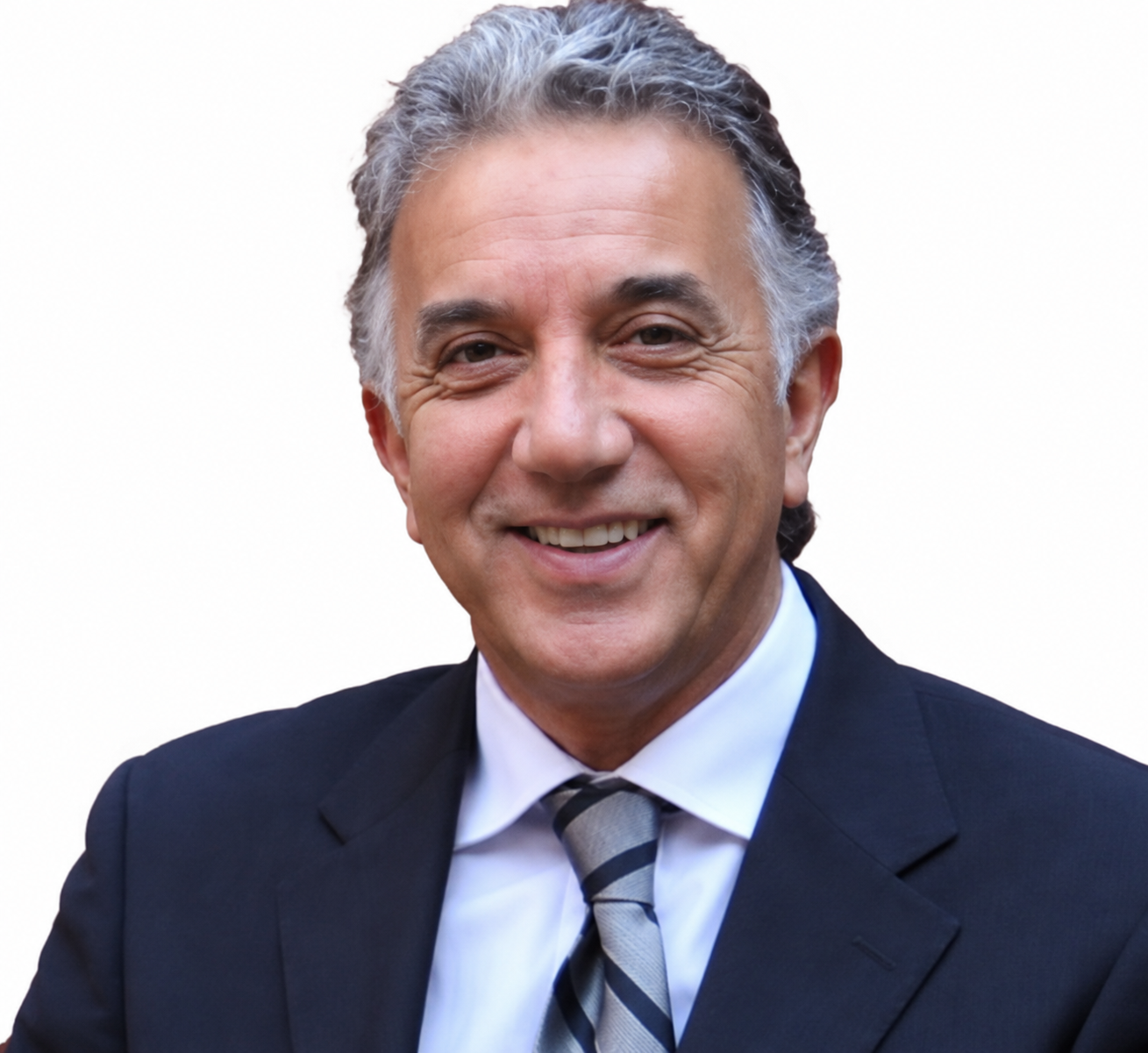
Dr. Savaş Ünsal is an academic, technology executive, and entrepreneur with more than three decades of experience in information technologies, telecommunications, and digital innovation. He holds degrees in Mathematics from Middle East Technical University, Computer Science from Boğaziçi University, Business Administration from Oklahoma City University, and Business Management from İstanbul Nişantaşı University.
He served as Technical Director at TURKCELL and General Manager of SUPERONLINE, contributing to Türkiye’s telecommunications and Internet infrastructure. In 2010, he founded crowdFON.com, one of Türkiye’s pioneering crowdfunding platforms. He currently teaches Artificial Intelligence, Entrepreneurship, and Mathematics at İstanbul Nişantaşı University. His ACISM 2026 talk explores how blockchain and stablecoins can improve the efficiency, security, transparency, and liquidity of crowdfunding platforms.